
TMJ-Focused Registered Massage Therapy
TMJ-Focused Registered Massage Therapy is a specialized therapeutic treatment performed by a Registered Massage Therapist (RMT) to alleviate pain, tension, and dysfunction in the jaw joints (temporomandibular joints) and surrounding muscles. It focuses on releasing tension in the face, head, neck, and shoulders, often reducing symptoms like clicking, locking, grinding (bruxism), and headaches.
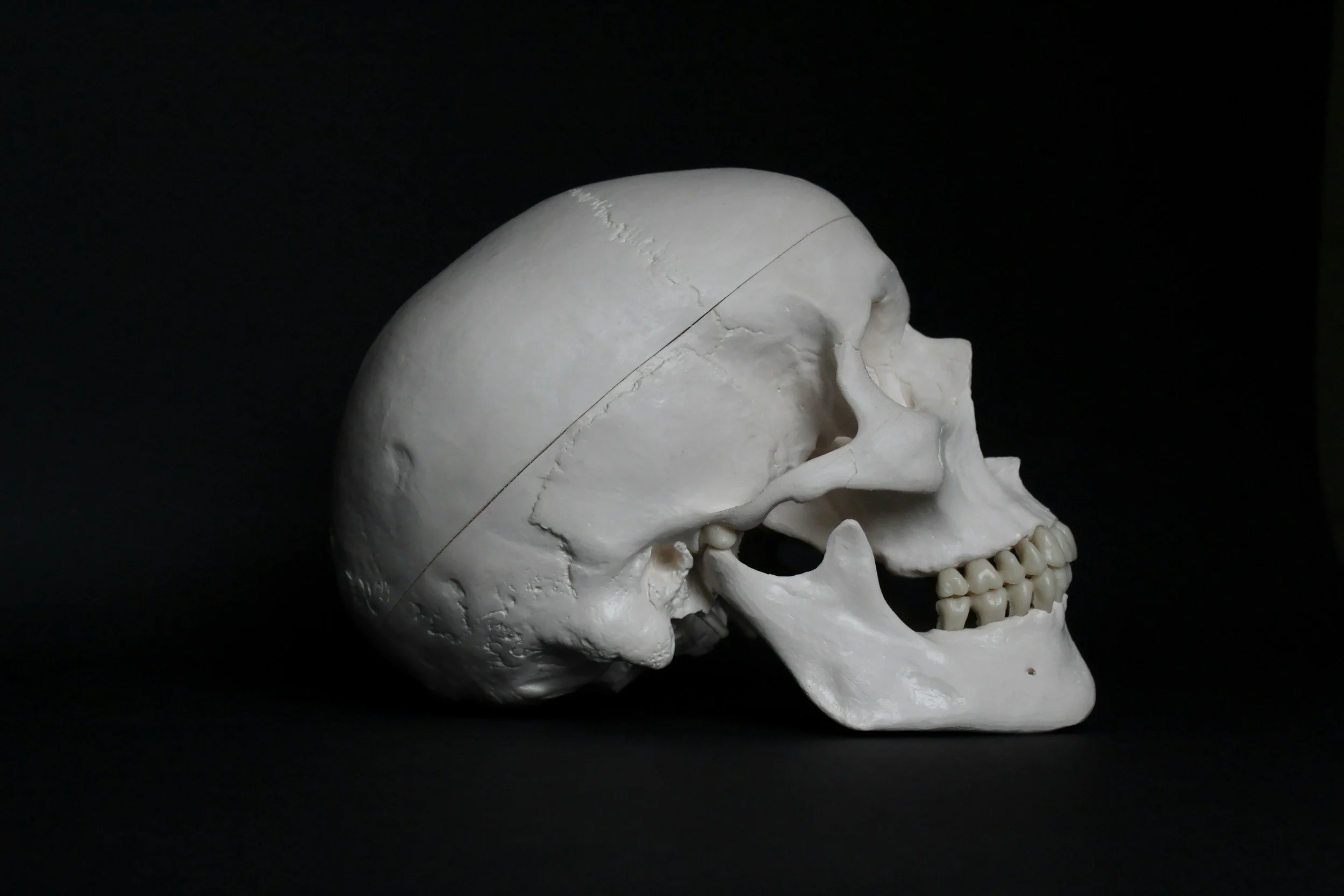
TMJ (Temporomandibular Joint) Dysfunction
TMD or TMJD is a condition of the temporomandibular joints. These joints connect the mandible (jaw bone) to the skull. There are two temporomandibular joints. Both are located on either side of the head, just in front of your ears. These joints are where movement of the mandible occurs and facilitate actions like chewing, talking, speech and yawning.
Symptoms of TMJ Dysfunction (frequently referred to in dentistry as TMJ Disorders) can include pain at one or both of the temporomandibular joints, facial pain, difficulty opening or closing the jaw, and decreased range of motion of the jaw, clicking, popping, or grinding noises. TMJ pain and dysfunction can also lead to neck pain, headaches, and tinnitus.
We use our temporomandibular joints all day while speaking, and eating, and swallowing our saliva, water or food, which results in our jaw moving and teeth lightly touching. Anyone can be affected by TMJ dysfunction, and athletes, singers, public speakers and woodwind/brass musicians can all be impacted by TMJ dysfunction or disorders in ways that directly affect their profession or pastime. When there is pain at the temporomandibular joint, it can have a profound and distressing impact on the sufferer’s quality of life.

Risk Factors and Contributing Issues for TMJ Dysfunction
Jaw injuries, both direct, such as a blow to the jaw, and indirect, such as whiplash
Smoking, gum chewing, frequently eating very hard foods (such as almonds) or chewing on only one side of the mouth.
Bruxism (grinding of the teeth) often contributes and can occur while asleep.
Poor sleep positions, particularly stomach sleeping, can be a factor.
Postural habits, such as propping up the head with your hand braced on your jaw.
Stress, Post-Traumatic Stress Disorder, anxiety and depression can also be a risk factor for developing TMJ dysfunction.
Frequently asked questions
-
Our massage therapists treat patients aged 8 and up, and treat patients of all activity levels
-
As therapists, our experience is consistent with numerous studies which show that manual therapy is a safe and effective treatment to reduce pain, increase range of motion, and restore muscle equilibrium between the right and left muscles of the TMJ joints.
-
Your first appointment will be spent mostly doing a thorough assessment of the function of your temporomandibular joints, discussion of your symptoms and goals, and exploration of possible contributing factors such as previous injuries, posture, oral habits, current stress levels and sleeping habits. Additional appointments will focus on hands- on manual therapy, which may include intra-oral (inside the mouth) treatments, as well home care advice and rehab exercises.
-
TMJD treatments should not be painful. TMJD treatments may find and engage a degree of “good pain”; the discomfort felt when challenging tight muscles will always be tolerable according to the patient’s standards of pain/tenderness. Some people find intra-oral (inside the mouth) work odd, but our therapists will work with you to make sure that the techniques, pressure, and pace is comfortable and feels safe for you.
-
If you are using extended health benefits, please check with your insurance provider. Some insurance companies require referrals for services.
-
We do bill directly to insurance
We do take motor vehicle accident (MVA) claims
We do not accept WSIB claims
We do not accept OHIP referrals